Stress is often a physiological response to an external demand. When the body perceives a challenge, it activates a fight-of-flight system.
The Good vs The Bad
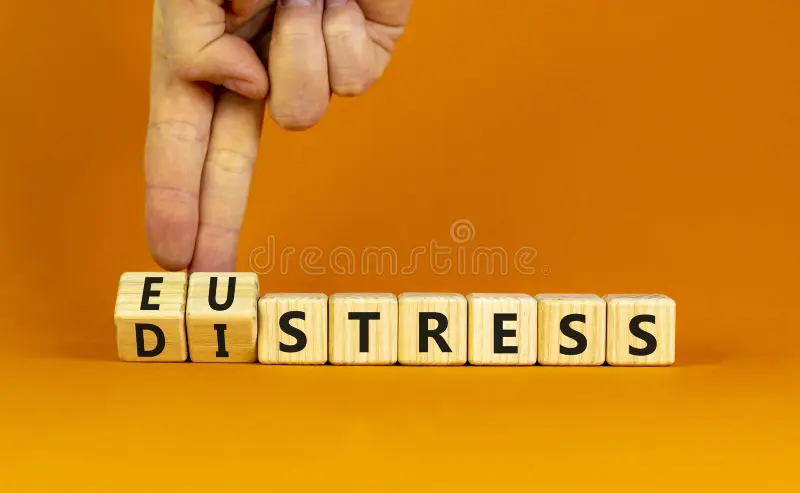
It’s a common misconception that feeling stressed is always a sign that something is wrong. In reality, stress isn’t just one-size-fits-all. Psychologists often talk about two different types: “distress” (the heavy, overwhelming kind) and “eustress” (the kind that actually helps us grow).
Think of a small amount of stress as a catalyst – it sharpens your focus, kicks your motivation into gear, and gives you that helpful “adrenaline rush” you need.
this might feel like a constant state of “readiness”, sudden mood swings and withdrawal from enjoyable activities. Changes in sleep and eating patterns are also common coping mechanisms.
Key Signs
- Physical tension such as clenched jaws, headaches, or tight shoulders
- Difficulty “switching off” after work or constantly thinking about tasks
- Sudden mood swings, irritability, or emotional withdrawal
- Changes in sleep or eating patterns
- Reduced concentration, mental fatigue, and lower productivity
Triggers
- Heavy workloads, deadlines, and unclear job expectations
- Lack of recognition or feeling undervalued at work
- Workplace conflicts or difficult social dynamics
- Constant multitasking and decision-making demands
- Everyday microstressors such as commuting, delays, or anticipating future pressures
Impact
- Cognitive overload and difficulty making decisions
- Burnout, exhaustion, and emotional fatigue
- Reduced work performance and motivation
- Disrupted sleep and physical wellbeing
- Increased tension in workplace or personal relationships
Stress can manifest through irritability, risk-taking or academic burnout.
Key Signs
- Irritability, frustration, or emotional outbursts
- Academic burnout and lack of motivation toward studies
- Difficulty concentrating or retaining information
- Procrastination or avoidance of responsibilities
- Risk-taking behaviours or unhealthy coping habits
Triggers
- Academic pressure, deadlines, and exams
- Fear of failure or uncertainty about the future
- Social stressors such as peer pressure, friendship conflicts, or bullying
- Balancing school, social life, and personal expectations
- Constant comparison through social media or competitive environments
Impact
- Declining academic performance and productivity
- Increased anxiety, overwhelm, and emotional exhaustion
- Difficulty maintaining healthy routines and sleep patterns
- Withdrawal from social or extracurricular activities
- Reduced confidence and overall wellbeing
Stress involves being responsible for the well-being of others while maintaining your own life, often juggling multiple conflicting roles simultaneously. It can sometimes manifest as a disruption of the overall harmony and emotional safety of the household.
Key Signs
- Persistent exhaustion and emotional overwhelm
- Irritability or reduced patience with family members
- Difficulty relaxing or mentally disconnecting from responsibilities
- Physical tension, disrupted sleep, or constant fatigue
- Feeling emotionally drained from managing multiple roles
Triggers
- Balancing parenting, work, household, and personal responsibilities
- Financial pressures or caregiving demands
- Conflicts within the family or concerns about children’s wellbeing
- Lack of personal time or emotional support
- Ongoing daily microstressors that accumulate over time
Impact
- Reduced emotional availability and patience within the household
- Disruption to family harmony and emotional safety
- Burnout and chronic mental exhaustion
- Difficulty making decisions or managing responsibilities effectively
- Increased strain on relationships and personal wellbeing
Ways to find relief
If stress becomes persistent or begins to interfere with daily functioning, seek professional help
- Practice regular exercise and healthy eating
- Establish a good sleep routine
- Practice relaxation exercises (abdominal breathing and muscle relaxation)
- Challenge negative thoughts with alternative, neutral, or positive thoughts
- Stop expecting perfection from yourself and others
- Spend time with friends who make you feel seen and supported, rather than drained
A Gentle Reminder
While distress is tough, there is something incredibly reassuring to remember: The same system that turns stress “on” can be taught to turn it “off”. By gently showing your body that it isn’t in immediate danger – through small moments of mindfulness or rest – you can help calm stress symptoms.
If you’re looking out for a student or someone else, the most powerful thing you can offer is a safe space to talk. Validating their stress and tackling small management steps together can make the mountain feel much smaller.