
It is a common misconception that burnout is a sign of weakness or a lack of grit. In reality, burnout is a physiological and emotional signal that your current environment is unsustainable.
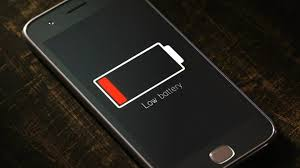
Think of your energy like a battery. We often view the “low battery” warning as a failure, but it’s actually a helpful catalyst – it’s a prompt to change how we are operating before the system shuts down completely. In the right context, acknowledging burnout can be the “adrenaline rush” needed to set much-needed boundaries and prioritize recovery.
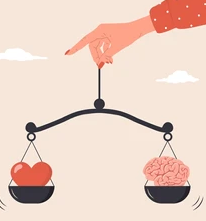
The key is balance. While we want to honor the heavy feeling of exhaustion, we can also see it as our body’s way of preparing us to make a brave change in how we manage our time and energy.
For working adults, burnout is often tied to the workplace. It shows up as a sense of cynicism – a “just surviving until 6 PM” mentality – where you feel detached from your colleagues and doubt your own effectiveness. You might find that tasks feel insurmountable and mistakes increase, even though you are trying harder than ever.
Key Signs
- Emotional numbness and detachment from work or colleagues
- Cynical thoughts such as “just surviving until the end of the day”
- Feeling ineffective despite putting in significant effort
- Increased mistakes, forgetfulness, or difficulty completing tasks
- Persistent exhaustion that rest does not fully relieve
Triggers
- Chronic overwork and unrealistic expectations
- Lack of control or autonomy in the workplace
- Feeling underappreciated or unsupported by colleagues or management
- Poor work-life balance and prolonged stress exposure
- Pressure to constantly perform without adequate recovery time
Impact
- Withdrawal from colleagues, responsibilities, or workplace engagement
- Reduced productivity and declining work performance
- Increased irritability, hopelessness, and emotional exhaustion
- Reliance on unhealthy coping mechanisms such as doomscrolling or overeating
- Physical symptoms like headaches, insomnia, and weakened immunity
Burnout often stems from the relentless cycle of academic pressure and high expectations. It can feel like being on “autopilot”, where you are simply going through the motions and “dragging” yourself to class. You might find yourself asking, “What’s the point?” about subjects you once genuinely enjoyed.
Key Signs
- Feeling emotionally drained or disconnected from studies
- Going through routines on “autopilot” without motivation
- Loss of interest in subjects or goals once enjoyed
- Persistent fatigue, procrastination, or difficulty concentrating
- Cynicism or questioning the purpose of academic efforts
Triggers
- Continuous academic pressure and high expectations
- Fear of failure and pressure to succeed
- Lack of balance between school, rest, and personal life
- Feeling unsupported or isolated during stressful periods
- Constant comparison with peers or unrealistic standards
Impact
- Declining academic performance and motivation
- Emotional withdrawal from school, friends, or activities
- Increased stress, hopelessness, and low self-esteem
- Escapism through excessive scrolling, gaming, or avoidance behaviours
- Physical exhaustion, disrupted sleep, and poorer overall wellbeing
Burnout comes from the 24/7 nature of caregiving. It is the feeling of having “nothing left to give”, which can lead to a sense of emotional distance from your children. This often results in intense irritability or snapping, followed by deep feelings of guilt and a persistent urge to simply “escape” the daily routine.
Key Signs
- Feeling emotionally depleted with “nothing left to give”
- Increased irritability or snapping at family members
- Emotional distance or disconnection from children and loved ones
- Persistent exhaustion and reduced patience
- Feeling ineffective or guilty about parenting abilities
Triggers
- The constant demands of caregiving without adequate rest
- Lack of emotional or practical support
- Balancing parenting with work, finances, and household responsibilities
- Feeling trapped by responsibilities or unable to take breaks
- Ongoing stress without opportunities for recovery
Impact
- Emotional withdrawal and reduced engagement with family
- Increased guilt, frustration, and emotional overwhelm
- Greater reliance on escapism or unhealthy coping strategies
- Disruption to family harmony and relationships
- Physical symptoms such as headaches, insomnia, and lowered immunity
Ways to Find Relief
- Prioritize True Rest: Establish a sleep routine that focuses on quality and remember that rest is more than just sleep – it’s also doing things that give you energy.
- Challenge the Perfection Narrative: Stop expecting yourself to be 100% all the time. Give yourself permission to do a good enough job while you recover.
- Move: Regular, low-impact exercise can help clear the mental fog without adding more stress to your body.
- Check Your Self-Talk: When you feel inadequate, try to replace those thoughts with neutral or compassionate ones. You aren’t failing; you are depleted.
- Reconnect Silently: Spend time with friends or family where there is no pressure to perform.
- Seek Professional Perspective: If the burnout doesn’t lift or you feel completely stuck, reaching out to a professional is a practical step toward finding your spark again.
A Gentle Reminder
While burnout feels incredibly heavy, there is something reassuring to remember: You can learn to refill your tank. The same system that is currently “shutting down” to protect you can be coaxed back into a state of vitality by showing your body that it is allowed to rest – not just to recover for work.